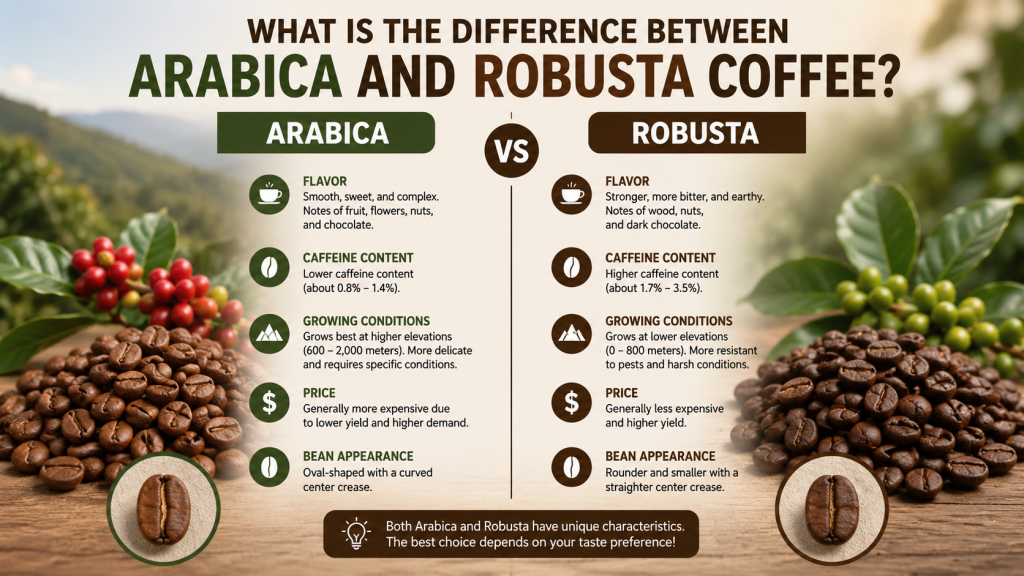
When choosing coffee, you may have noticed two names appearing again and again: Arabica and Robusta. These are the two most widely known types of coffee beans, and although both can produce a delicious cup of coffee, they have significant differences in flavor, caffeine content, growing conditions, and appearance.
Understanding the difference between Arabica and Robusta can help you choose the right coffee for your taste and brewing style.
What Is Arabica Coffee?
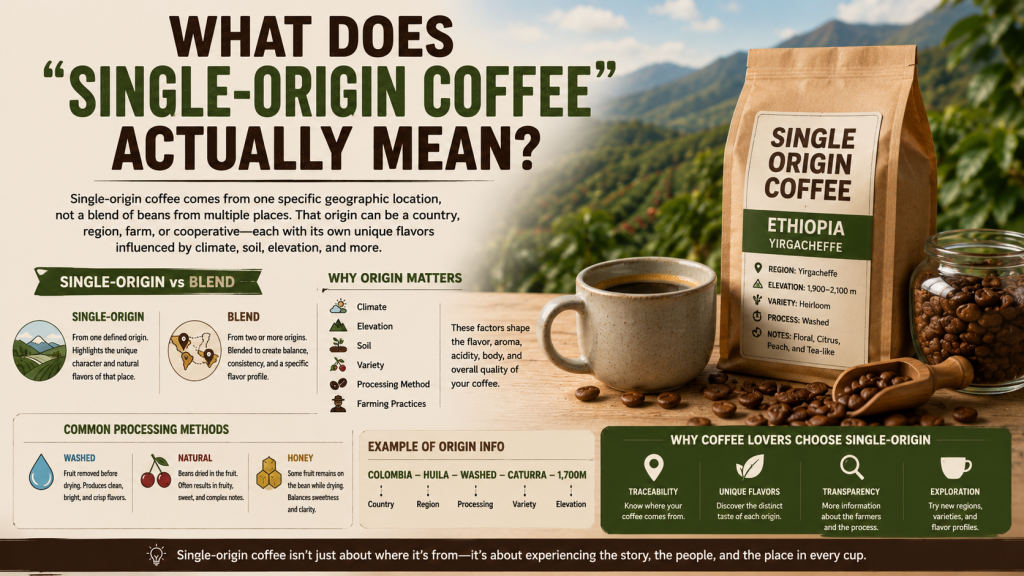
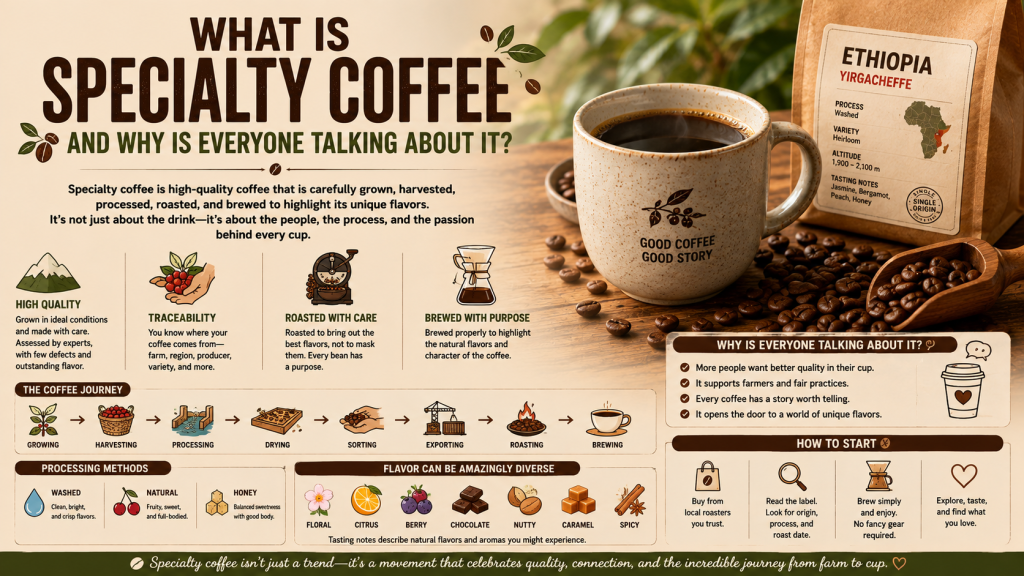
Arabica coffee comes from the Coffea arabica plant. It is one of the most popular coffee species in the world and is widely associated with specialty coffee.
Arabica beans generally have a smoother and more complex flavor. Depending on where they are grown and how they are processed, they can have notes of chocolate, caramel, nuts, berries, citrus, or flowers.
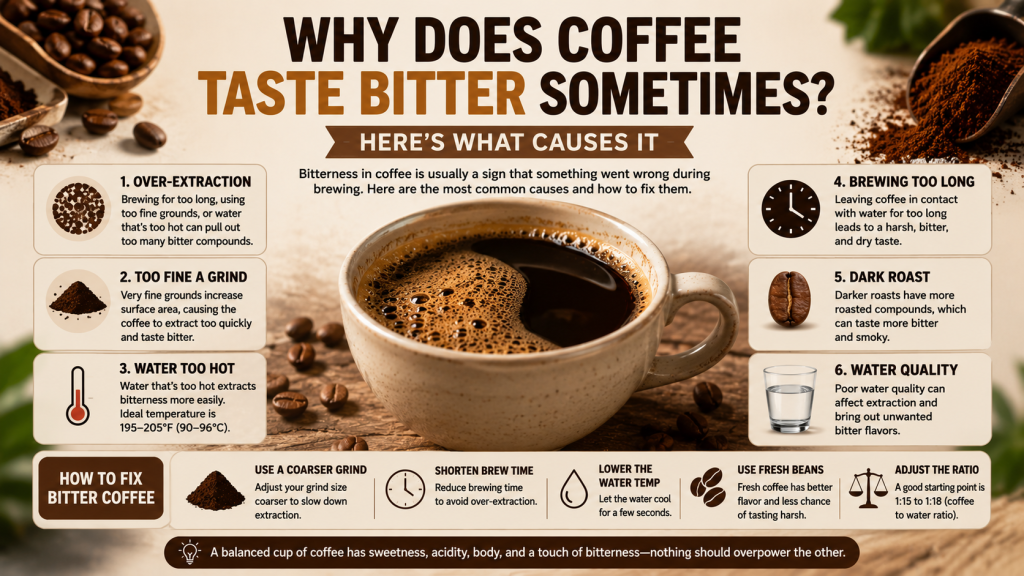
Arabica plants usually grow best at higher elevations with suitable temperatures and consistent rainfall. However, they are more delicate than Robusta plants and can be more vulnerable to pests and diseases.
Because Arabica requires more careful growing conditions, high-quality Arabica coffee can be more expensive.
What Is Robusta Coffee?
Robusta coffee comes from the Coffea canephora plant, commonly known as Robusta. As its name suggests, the plant is generally more resistant to harsh growing conditions, pests, and diseases than Arabica.
Robusta beans typically have a stronger, more bitter flavor. Their flavor profile can include earthy, woody, nutty, and chocolate-like notes.
Robusta plants can grow at lower elevations and tolerate warmer conditions. They also tend to produce higher yields, making Robusta coffee an important choice for commercial coffee production.
Robusta is commonly used in espresso blends because it can contribute a strong body and a thick layer of crema.
Arabica vs. Robusta: Key Differences
Although both types belong to the coffee family, their characteristics are quite different.
1. Flavor
Arabica: Usually smoother, sweeter, and more complex, with a wide range of fruity, floral, nutty, and chocolate flavors.
Robusta: Generally stronger, more bitter, and more earthy, with woody, nutty, and dark chocolate characteristics.
If you prefer a delicate and complex cup, Arabica may be a better choice. If you enjoy bold and intense coffee, Robusta can be appealing.
2. Caffeine Content
Robusta generally contains significantly more caffeine than Arabica.
As a broad rule, Robusta beans can contain around twice as much caffeine as Arabica beans, although the exact amount varies depending on the coffee variety, growing conditions, roasting, and brewing method.
This higher caffeine content also contributes to Robusta’s naturally more bitter and intense character.
3. Appearance
Arabica and Robusta beans can also look different.
Arabica beans tend to be more oval and elongated, with a relatively curved center crease. Robusta beans are usually smaller and rounder, with a straighter center crease.
The difference can be useful when examining whole beans, although appearance alone is not always enough to identify the species with certainty.
4. Growing Conditions
Arabica generally prefers higher elevations and cooler temperatures. It requires more careful cultivation and is more sensitive to environmental stress.
Robusta is more adaptable. It can grow at lower elevations and tolerate warmer temperatures, making it easier to cultivate in many tropical regions.
This difference in hardiness is one reason Robusta is often less expensive to produce.
5. Price
Arabica coffee is often more expensive than Robusta, especially when it comes from high-quality specialty lots.
There are several reasons for this, including more demanding growing conditions, lower yields in some situations, and strong consumer demand for high-quality Arabica.
Robusta is often more affordable and is widely used in instant coffee and commercial blends.
Which Coffee Is Stronger?
If by “stronger” you mean higher caffeine content, Robusta usually wins.
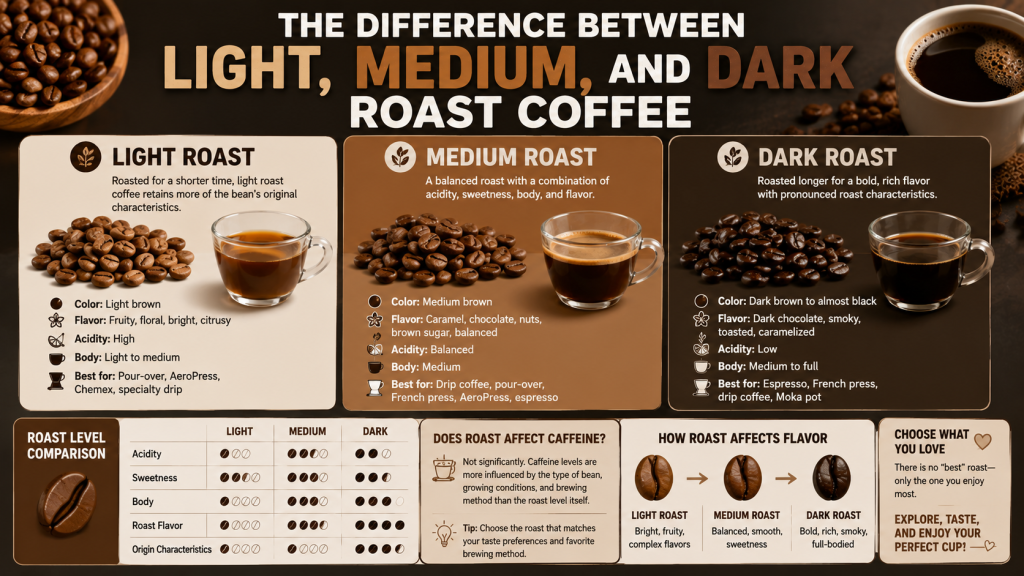
If you mean stronger flavor, the answer is more subjective. Robusta generally has a more intense, bitter, and earthy character, while some dark-roasted Arabica coffees can also taste very bold.
The roasting level, brewing method, coffee-to-water ratio, and freshness all influence how strong a cup tastes.
Which One Is Better for Espresso?
Both Arabica and Robusta can be excellent for espresso.
Arabica can provide sweetness, acidity, and complex aromas, making it popular in specialty espresso.
Robusta can add body, intensity, and crema. For this reason, some traditional espresso blends combine Arabica and Robusta to create a balanced cup.
A blend might offer the smooth and aromatic qualities of Arabica while using Robusta to increase body and intensity.
Is Arabica Healthier Than Robusta?
It is difficult to say that one is simply “healthier” than the other. Both contain naturally occurring compounds such as caffeine and antioxidants.
Their chemical composition differs, but the overall health effects of coffee depend on many factors, including how much you drink, what you add to it, and your individual circumstances.
For most coffee drinkers, the more useful question is which bean provides the flavor and caffeine level they prefer.
Which Coffee Should You Choose?
The best choice depends on your personal taste.
Choose Arabica if you prefer:
- Smooth and balanced coffee
- Fruity or floral flavors
- Sweet and aromatic notes
- More complex specialty coffee
- A generally lower caffeine content
Choose Robusta if you prefer:
- Strong and intense coffee
- More bitterness
- Earthy and woody flavors
- Higher caffeine content
- A heavier body and stronger espresso character
You can also choose a blend of Arabica and Robusta if you want characteristics from both varieties.
Final Thoughts
The difference between Arabica and Robusta is more than just the name on a coffee package. Arabica is generally known for its smooth, complex, and aromatic flavors, while Robusta is recognized for its stronger, more bitter character and higher caffeine content.
Neither type is automatically better. The best coffee depends on what you enjoy in your cup.
Whether you prefer a delicate Arabica pour-over, a bold Robusta espresso, or a balanced blend of both, exploring different beans is one of the best ways to discover your ideal coffee.
Arabica offers complexity and elegance, while Robusta brings strength and intensity. Understanding these differences makes it easier to choose coffee that matches your taste.